Dr Sharmistha

June 2026

Fertility Diet: What to Eat for Better Reproductive Health

Can Your Plate Help You Get Pregnant?   You may not realize it, but what’s on your plate matters. A lot. Your diet can affect your fertility. It can support your hormones. It can improve egg and sperm health. And it can boost your chances of conception.   This is where a fertility diet comes in.   Let’s break down what to eat, what to avoid, and why it matters. What Is a Fertility Diet? A fertility diet is simple. The way to eat that is healthy for reproduction. It is based on whole foods. It does not include junk food! And it provides your body with the nourishment it needs to conceive.   Forget finding the ‘ideal’ diet, there’s no one-off wonder-food to solve all your problems. It’s all about the balance, about generally eating well rather than beating yourself up about what you ate for lunch today!   Consistency over perfection, as always.  Those little bits of healthy habits you can consistently carry out really do make up for the bad bits far more than we probably appreciate. Does Diet Really Affect Fertility? Yes, it can. However, not all fertility issues can be resolved by changing the diet. For instance, a healthy diet cannot cure a blocked fallopian tube. However, the correct food selection can help the body to carry out its natural reproductive process. They can even enhance your success rates from procedures such as IVF.   The diet affects it in this way:   Healthy fats are essential to the proper function of hormones. Antioxidants are required to keep eggs and sperm healthy. Blood sugar balance affects ovulation. Inflammation may decrease fertility. Diet can help decrease inflammation. What Foods Should You Eat for Fertility? Let’s get specific. Here are key foods to include in your diet for fertility. Small changes in your plate can make a big difference over time. Focus on whole, nutrient-dense foods rather than chasing one “superfood.” 1. Fruits & Veggies – Your Daily Rainbow Eat the rainbow. Seriously. You already know most fruits and veggies are rich in fiber and the nutrients your body needs to be healthy, happy, and energized. This should also include your daily dose of seasonal options in fresh forms, like broccoli or the latest crop of carrots on the produce aisle. It doesn’t get much easier or tastier than that. 2. Greens & Good Fats – The Power Duo The right greens – like spinach, kale, and arugula – do more than just serve as a base for a green salad: the antioxidant-filled powerhouses offer amazing health benefits. Combine these with extra virgin olive oil – still one of the very best sources of fat on the planet – to get those hormones working on your behalf without much effort at all. 3. Protein That Pulls Its Weight Start with your plants – whether they’re rich in flavor or fiber. Lentils, chickpeas, and tofu offer hearty support for all your body’s functions and deliver fiber alongside the necessary building blocks of muscle. If you prefer seafood, clams, oysters, and a wide range of white fish that provide omega-3s aplenty, just bypass any of the high-mercury varieties on this list. 4. Whole Grains – Steady Energy, No Crashes Don’t blindly believe in modern dietary meals. Don’t skip your meals. Rather choose plain brown rice, oatmeal, or whole wheat bread. They have more nutritional value. They provide us with sustainable energy.  They don’t indulge in sugar spikes and subsequent slump. 5. Iron Rich Foods Anemia can be prevented by eating foods that are rich in iron, such as lentils, tofu, and lean meats. Anemia may impact the health of pregnancy and ovulation. What Foods Should You Avoid? Certain foods can hinder your ability to conceive. Like this, here’s what to keep in check:   Refined or simple carbs Trans fats Heavily processed foods Alcohol, particularly before becoming pregnant Caffeine – avoid more than 500mg per day. Don’t have to get rid of everything. But moderation matters. Does Weight Affect Fertility? Yes, it does. Body weight is a significant fertility factor.  Applicable for both men and women. The reproductive hormones can be affected by being overweight or underweight.   Obesity and underweight women are at risk of irregular or absent ovulation and reduced success rates of IVF. Men who are obese may have a lower number of sperm and lower motility. Insulin resistance and weight are related to conditions such as PCOS.   The good news? When women with PCOS are overweight, you can actually notice a difference in their cycle with a weight loss of only 5-10% of their body weight. What Does BMI Have to Do With Fertility? Weight can play a role when it comes to fertility, and BMI can help with providing a rough estimate of how likely weight is to be the problem.   An 18.5 or under BMI means you’re underweight 30 or higher means you’re obese This will give you no information about how much muscle you have or the concentration of where fat rests; it is simply a tool to help initiate the conversation about where to start talking to a healthcare provider. Is a Fertility Diet Just for Women? Fertility isn’t just about one partner. It takes two. Men benefit from good nutrition too. Zinc and vitamin C matter for sperm health. You’ll find them in citrus fruits, seeds, and nuts. Eating well together makes a difference. No diet needs to be perfect. That’s not the goal. Small, steady choices matter more. Do them daily. That’s what really adds up When Should You Start Eating for Fertility? It’s worth starting to think about prenatal nutrition early -ideally around three months before you plan to conceive. This is also when supplements like folic acid become especially important.   A fertility workup that includes blood work can sometimes reveal nutrient deficiencies that may affect your chances of pregnancy -catching these early supports both fertility and a healthy pregnancy ahead. How Long Before Diet

Fertility Diet: What to Eat for Better Reproductive Health Read More »
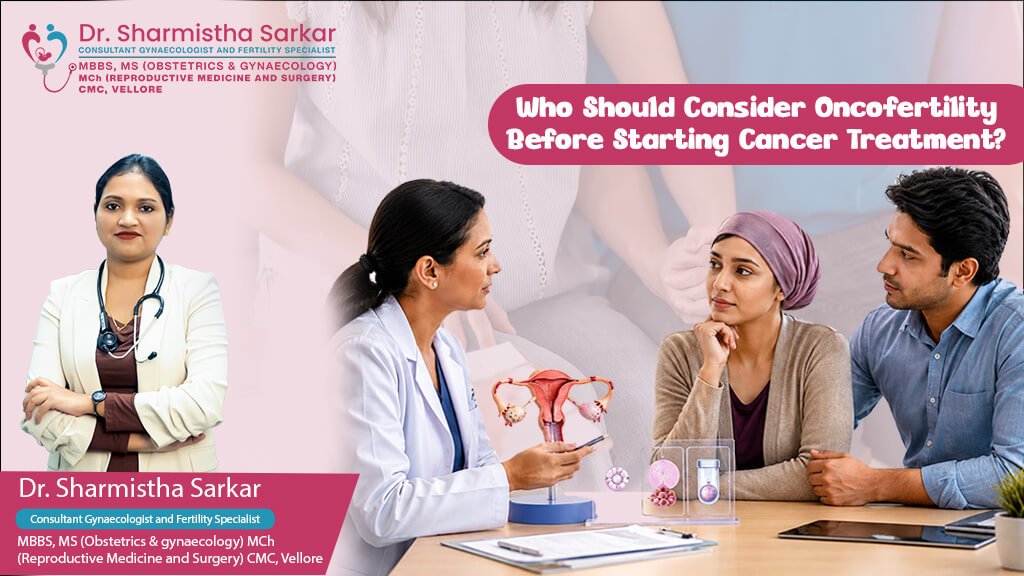
Who Should Consider Oncofertility Before Starting Cancer Treatment?

A cancer diagnosis changes everything in an instant.   The fear is real. The urgency is real. And in the middle of all that – your future, your family, your dream of having a child – can feel very far away. But here is what most people do not know.   If you act before starting cancer treatment, you can protect that dream. That is exactly what oncofertility is about.   It is a medical field that bridges cancer care and reproductive science. It gives patients a fighting chance at parenthood – even after going through chemotherapy, radiation, or surgery.   And the most important thing? The window to act is small. Once cancer treatment begins, some of that chance may be gone forever.   So who should consider before cancer treatment? Let us break it down simply. What Exactly Is Oncofertility – and Why Does It Matter? Oncofertility is the science of protecting your fertility before cancer treatment harms it. Cancer treatments like chemotherapy and radiation are powerful. They target cancer cells – but they can also damage eggs, sperm, and reproductive organs in the process. For young patients especially, this can lead to permanent infertility. Oncofertility treatment steps in before that happens. Eggs, sperm, or embryos are preserved before treatment begins. This way, even after the most aggressive cancer therapy, patients have a real option to conceive in the future. Think of it as saving your future – right now.   It is not about delaying cancer treatment. Most fertility preservation treatment procedures can be completed within two weeks. Cancer treatment continues on schedule. It is simply about making sure you do not have to choose between fighting cancer and becoming a parent someday. Who Should Consider Oncofertility? This question matters more than most people realize.   Young women with cancer: One of the most pressing candidates is young women who have cancer. Ovarian reserves can be affected by chemotherapy and radiation. A few treatments induce premature menopause. Preserving reproductive potential is possible with egg freezing or embryo freezing prior to treatment. Young men with cancer: It’s an issue that young men with cancer should think about as well. Chemotherapy has a harmful effect on the cells that make sperm. After just a couple of cycles, you can have permanent low sperm count or azoospermia. Sperm freezer prior to the treatment process is fast, non-invasive and very effective. Teenage and adolescent patients: For younger girls, the treatment of ovarian tissue freezing is available. Parents and oncologists are increasingly suggesting that the discussion should take place early. Blood cancers with leukaemia: Some of the most significant risks are for those with blood cancers such as leukaemia and lymphoma. These cancers are especially damaging to reproductive organs because of the chemotherapy treatments that are used. It is strongly recommended that cancer fertility treatment be done before beginning these protocols. Gynaecological cancers: For women who have gynaecological cancers, such as cervical, uterine or ovarian cancer, there is a significant discussion to be had. Depending on the stage and the type of cancer, some surgery may require the removal of reproductive organs. Before any treatment decision can be made, reproductive oncology treatment may consider organ-sparing and fertility preservation treatments. A newly-wed couple or a couple planning to conceive should definitely consult about this prior to the first chemotherapy treatment. It is crucial to get timing right. If you fit into any of these categories – or if you know someone that does – talk to a fertility specialist isn’t an option. It is essential. How Does Fertility Preservation Treatment Work? The process is more straightforward than most people expect. For women, the most common method is egg freezing – also called oocyte cryopreservation. Hormonal injections stimulate the ovaries to produce multiple eggs. These eggs are retrieved in a minor procedure and frozen for future use. The whole process takes about 10 to 14 days.   If the patient has a partner, embryo freezing is also an option. Eggs are fertilised and the resulting embryos are stored. This has a strong track record of success. For women who cannot delay treatment even for two weeks, ovarian tissue freezing is an emerging option. A portion of ovarian tissue is removed, frozen, and re-implanted after cancer treatment is complete.   For men, sperm banking is the simplest and most accessible form of fertility preservation treatment. A semen sample is collected and frozen. It takes less than an hour. The sample can be stored for years and used for IVF or ICSI when the time comes.   Every case is different. A specialist in reproductive oncology treatment will assess your diagnosis, treatment plan, and timeline – and recommend the best approach for you. Does Fertility Preservation Delay Cancer Treatment? This is the most common concern. And it is completely understandable. The answer is -usually no.   Most oncofertility treatment procedures are designed to fit within the window between diagnosis and the start of cancer treatment. For egg freezing, that window is approximately 10 to 14 days. Sperm banking takes just one appointment.   Oncologists and fertility specialists work together. The goal is always to protect your health first -and your reproductive future second. These two priorities do not have to conflict.   In fact, many leading cancer centres now recommend that every patient of reproductive age be referred to a fertility specialist before treatment begins. It is becoming a standard part of cancer fertility treatment conversations worldwide.   The earlier you ask, the more options you have. What Are the Risks of Not Considering Oncofertility? Skipping this step can mean permanent regret.   Chemotherapy drugs – especially alkylating agents – are highly toxic to the reproductive system. They can destroy egg reserves in women and drastically reduce sperm counts in men. Some patients recover fertility over time. Many do not.   For women, this can mean premature ovarian insufficiency – essentially, early menopause. For men, it can mean irreversible azoospermia. In both cases, natural conception

Who Should Consider Oncofertility Before Starting Cancer Treatment? Read More »

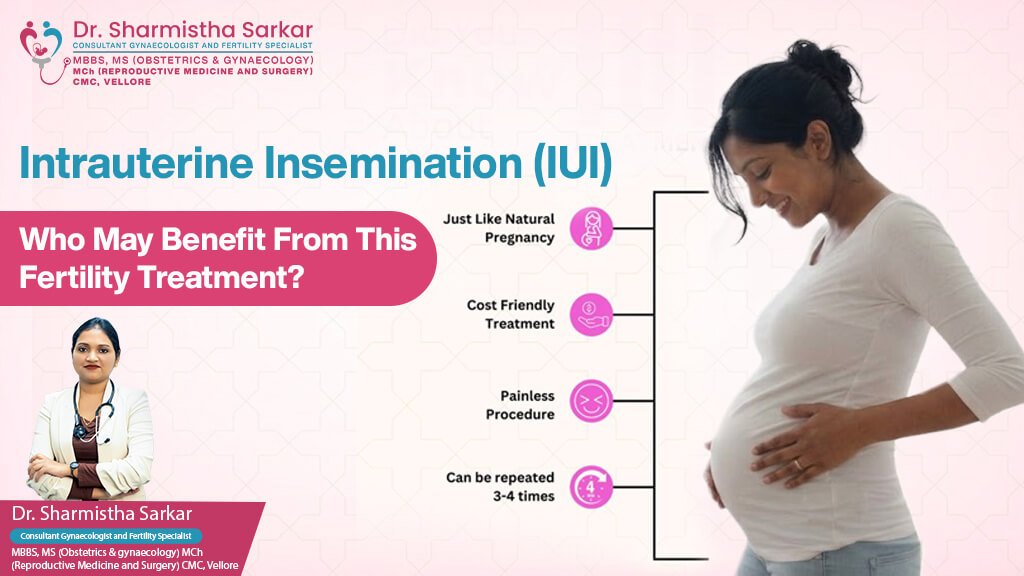
Intrauterine Insemination (IUI): Who May Benefit From This Fertility Treatment

The dream of becoming a parent is one of the most powerful things a person can feel. And when that dream feels out of reach -it is heartbreaking. Isolating. Exhausting. But here is something important to know. You are not alone. And you are not out of options. Intrauterine Insemination -or IUI -is one of the most gentle, accessible, and effective first steps in fertility treatment. It has helped thousands of couples start the family they always dreamed of. Could it help you too? Let us find out. What is Intrauterine Insemination? IUI or Intrauterine Insemination is a widely used fertility procedure that involves introducing the washed sperm directly into the uterus during the process of ovulation. That’s all. No surgery. No lengthy hospital admission. No complicated procedures required. The objective is very simple. Bring the sperm closer to the egg as much as possible. Shorten the distance. Improve the odds. It is perhaps the most natural form of assisted intrauterine insemination. How is IUI Different from Natural Conception? In natural conception, sperm has a long journey. It travels through the cervix, into the uterus, and then up to the fallopian tubes to meet the egg. Many sperm do not make it. In IUI, that journey is cut short. The sperm is washed, concentrated, and placed directly into the uterus. Closer to the egg. At exactly the right time. More sperm. Right place. Right moment. That is the science behind insemination therapy -and it works. Is IUI Right for You? IUI can be a useful procedure in helping to conceive for several people or couples, although IUI is not always the appropriate treatment choice. You might be a suitable candidate for IUI when: You have been trying to conceive for more than 12 months without success (or 6 months if you are over 35). You have unexplained infertility. You have mild male factor infertility, such as low sperm count or reduced motility. You experience irregular ovulation due to conditions such as PCOS. You have problems with your cervical mucus which prevent sperm from reaching the egg. You wish to conceive using donor sperm. Prior to advising you about IUI, the following are some of the considerations that your fertility doctor will examine: ovarian function, ovarian response, ovulatory pattern, uterine environment, tubal patency, and semen parameters. Remember that while it works for most couples who opt for IUI treatment, there is no guarantee that it will result in conception in each cycle that it is used. Some factors will affect the success rate of this procedure, including your age, egg health, sperm quality, ovulatory timing, and any other underlying infertility issues. How Does an IUI Procedure Play Out? No scary procedures. No complicated steps. Let’s get all of the facts: Step 1 – Consultation and testing: this involves blood tests, ultrasound and semen analysis. Your doctor develops a comprehensive profile of your fertility status. Step 2 – Ovarian stimulation (as indicated): Mild drugs are administered to stimulate the development of the eggs and to carefully control when they release. Step 3 – Monitoring: Ultrasound scans are used to monitor the growth of follicles. The team looks for the right time. Step 4 – Sperm preparation: A semen sample is collected and prepared in the lab. The healthiest and most active sperm are separated. Step 5 – The insemination: A thin soft catheter is inserted into the uterus, and the prepared sperm is directed into the uterus. The procedure takes just a few minutes. The majority of women refer to it as mild discomfort at most. Step 6 – The two-week wait: Another pregnancy test is performed about two weeks later. Simple. Gentle. Hopeful. Is IUI Painful? Most women say no. There may be mild cramping during or after the procedure – similar to period pain. It passes quickly. No anaesthesia is needed. You can go home the same day. The whole process takes just a few minutes, and women usually find themselves perfectly fine to go back to their regular schedule within moments. No recovery time, no mandatory bed rest – your life will remain exactly the same. This is one of the minimally invasive fertility treatments out there – and for many women, the burden of the journey turns out to be more taxing than the actual physical sensation of the procedure. What Are the Success Rates? Success rates for Intrauterine Insemination (IUI) depend on various aspects such as age, diagnosis, the quality of sperm, among others. Success rate per treatment is estimated at between 10% and 20%. In most cases, patients are advised to have three to six treatment sessions as the success rate increases after several tries. The age factor is quite significant when determining success rates. Usually, the success rate is higher for younger individuals because the quality of eggs decreases with age. This is another aspect that emphasizes the importance of early medical examination. However, it is imperative to remember that there is no guaranteed conception in a single session of IUI. Various factors affect success rates, which include:   Female age and egg quality Sperm quality and motility Timing of ovulation Underlying fertility conditions Uterine and endometrial health Embryo implantation factors Just because you failed to conceive after one cycle does not automatically mean that there is no hope for IUI treatment. It is quite possible to get positive results from several treatment sessions. The specialist will take all factors into consideration when deciding on the most suitable next step for you. When is IUI Not the Right Option? IUI is not always the answer. Your doctor may recommend moving to IVF if: Both fallopian tubes are blocked Severe male factor infertility is present Multiple IUI cycles have not worked Age or other factors make a more aggressive approach necessary The key is having an honest, personalised conversation with your fertility specialist. Every couple is different. Every treatment plan should be too. IUI vs IVF -Which One Do You Need? Think of IUI as the

Intrauterine Insemination (IUI): Who May Benefit From This Fertility Treatment Read More »

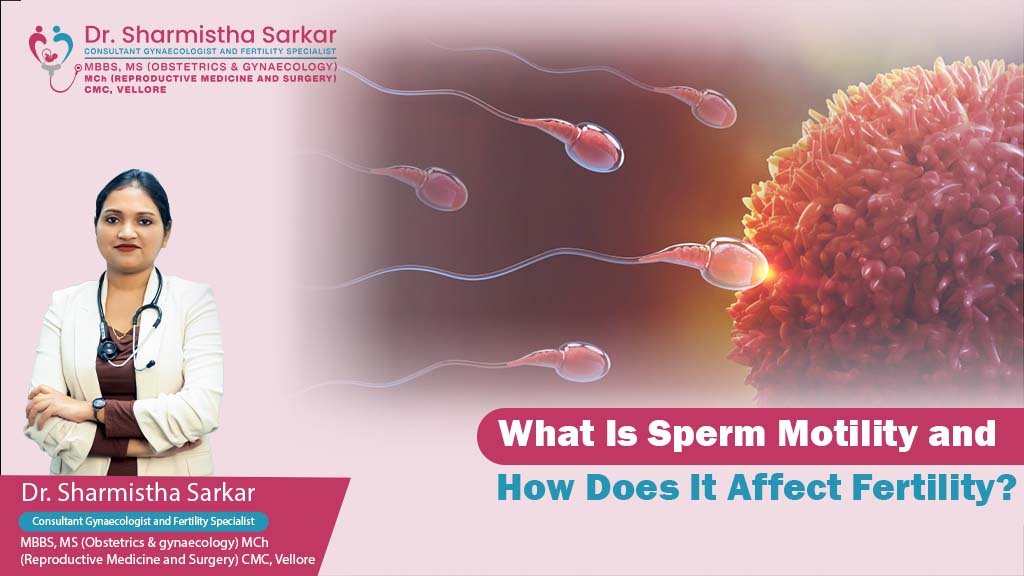
What Is Sperm Motility and How Does It Affect Fertility?

Ovulation, hormones, and timing are nearly always the focus of fertility discussions, but what if the problem isn’t the destination but rather the process? One of the most important yet often disregarded aspects of conception is sperm motility, or the capacity of sperm to swim with direction and purpose. Because if a sperm cannot travel, even the healthiest sperm are useless.  If you’ve been trying without success and everything “seems fine,” it may be time to examine the sperm’s movement rather than its existence. The surprising part? Couples are not always aware that the motility problem can hinder their journey of parenthood. If you understand it is the first step toward finding the right treatment. Types of Sperm Motility There are two types of sperm motility: Progressive motility -Sperm moves forward straight or in a large circle. Non-progressive motility -Sperm will move but not progress forward effectively. According to the World Health Organisation (WHO), healthy sperm motility is when 40 % of the sperm production has motility. Also 32% have progressive motility. If there is low sperm motility, it is called asthenozoospermia. How Does Low Sperm Motility Affect Fertility? Low sperm motility is one of the main reasons behind male infertility. The sperm would be considered useless if it cannot travel with ease. Sperm motility controls whether the sperm will actually be able to get to the egg or not. They can reach far with a faster rate than others, thus also increasing chances of fertilization. Roughly 40 to 50 % of male infertility cases are believed to be due to low sperm motility, otherwise known as male factor infertility. The positive aspect is that the condition of low sperm motility can be diagnosed and treated. Low Sperm Motility Causes Low sperm motility can have a variety of possible causes. Some are lifestyle-related. Still others are medical or genetic. 1. Lifestyle Factors Smoking robs sperm DNA and makes it less mobile Testosterone levels drop due to alcohol consumption Sperm quality can be affected by hormone disruption caused by obesity Do not wear tight underwear Stress can hinder your reproductive health. 2. Medical Conditions One of the most common causes is varicocele or any enlargement of the vein in the scrotum. It makes the scrotum warm up and affects the production of sperm. An infection, such as a sexually transmitted infection (STI) or prostate inflammation, may harm sperm. Hormonal problems – low levels of testosterone or thyroid problems affect sperm development. Antisperm antibodies – the immune system attacks the sperm. 3. Environmental and Occupational Causes If you are exposed to chemicals, heavy metals, and pesticides for a long time, your sperm count may be less. Radiation or putting a laptop on the lap for an extended period can harm sperm motility. 4. Genetic Factors There are some cases in which men have genetic disorders that have an impact on how their sperm moves or is being produced at the cellular level. These need a special diagnosis. Low Sperm Motility Symptoms It’s the hard part. The symptoms of low sperm motility may not be seen. The vast majority of men experience neither any symptoms nor any health issues. No discharge, signs, or pain. The real test to determine this will only be with the semen analysis. In some cases, men will be able to observe: Difficulty in conceiving after regular unprotected sex for more than a year. When your partner is above 35 years. If associated with low levels of testosterone, this may include decreased libido (sex drive). Swelling or pain in the testicular area (if varicocele is the cause). If you have difficulty with erections or ejaculation (sometimes). Do not wait. If you diagnose first, you get better results.  How Is Sperm Motility Diagnosed? Low sperm motility is easily diagnosed. The major test is the semen analysis. It is a non-invasive, easy-to-perform procedure. A sample is taken and tested in a laboratory. The report shows: Sperm count Sperm motility (progressive and total) Sperm morphology (shape) Volume and pH of semen Sometimes further tests are required: Tests of blood hormones FSH, LH, and testosterone Scrotal ultrasound (to check for varicocele) Genetic testing (for chromosomal problems) Anti-sperm antibody test Low Sperm Motility Treatment Options Treatment for low sperm motility will vary depending on the cause. There is no one-size-fits-all approach. 1. Lifestyle Modifications These simple changes can make a huge difference for lots of men: Stop smoking Do not consume alcohol much Keep a healthy weight with good nutrition and exercise. Wear breathable underwear Do yoga and meditation every day 2. Nutritional Supplements Some nutrients help to keep sperm healthy: Vitamin B6 – required for making sperm. Folate -is used to form healthy sperm DNA Take Coenzyme Q10 (CoQ10) to increase mobility Take Vitamin C and E L-Carnitine -shown to improve progressive motility Please note: Always seek medical advice before taking any supplements. 3. Treating Underlying Conditions Varicocele surgery (varicocelectomy) increases sperm motility. Hormone therapy is used to balance the hormones, such as FSH and/or testosterone. Anti-sperm antibodies—immunosuppressants. 4. Assisted Reproductive Techniques (ART) In the case where natural conception is impossible, it is possible to resort to assisted techniques: Intrauterine Insemination (IUI) -washed active sperm are placed into the uterus. This shortens the distance for sperm to travel. In Vitro Fertilization (IVF) – conception by mixing of eggs and sperm in the laboratory. When the motility is moderately decreased, it is a good choice. ICSI (Intracytoplasmic Sperm Injection) -one healthy sperm is injected into the egg. Perfect for severe cases of low motility. Dr. Sharmistha Sarkar specializes in helping couples choose the right path tailored to their unique situation. Can Low Sperm Motility Be Improved Naturally? Yes – particularly for lifestyle-related causes Many men find relief from: A healthy antioxidant diet – leafy greens, nuts, berries, whole grains Moderate exercise done regularly (avoid too much cycling or high doses of steroids) Both healthy sleep (7-8 hours a night) and daytime rest. To manage the effects of stress and hydration.To cope with stress and

What Is Sperm Motility and How Does It Affect Fertility? Read More »